Big Idea, Real Impact
In May of 2023 my 80-year-old mother took a fall backwards down a flight of stairs, suffering a broken C-1 to C-3 vertebrae, traumatic brain injury, and a cracked pelvis, requiring long-term immobilization with a cervical collar. In the first few critical weeks of recovery, my mother repeatedly removed her own C-Collar exposing her to risk of extended healing time, permanent paralysis, or worse. The facility had staffing issues, no in-person sitter was available so a video sitter was implemented. However, she continued to remove the collar without intervention from the overnight off-site observer. As a healthcare provider myself, I thought for sure there had to be a safe step-wise protocol or device that could be implemented in these situations. After extensive research I found nothing in the market that could bridge this critical period. I reached out to a long time friend who is an Industrial Designer to come up with a simple, efficient, and cost-effective solution. After years of research and multiple prototypes we came up with the B-Collar.
The B-Collar is a simple solution that can be monitored by any staff member while eliminating the need for a dedicated caregiver in the patient’s room. All at a price point that is a fraction of even a single labor hour of patient monitoring.


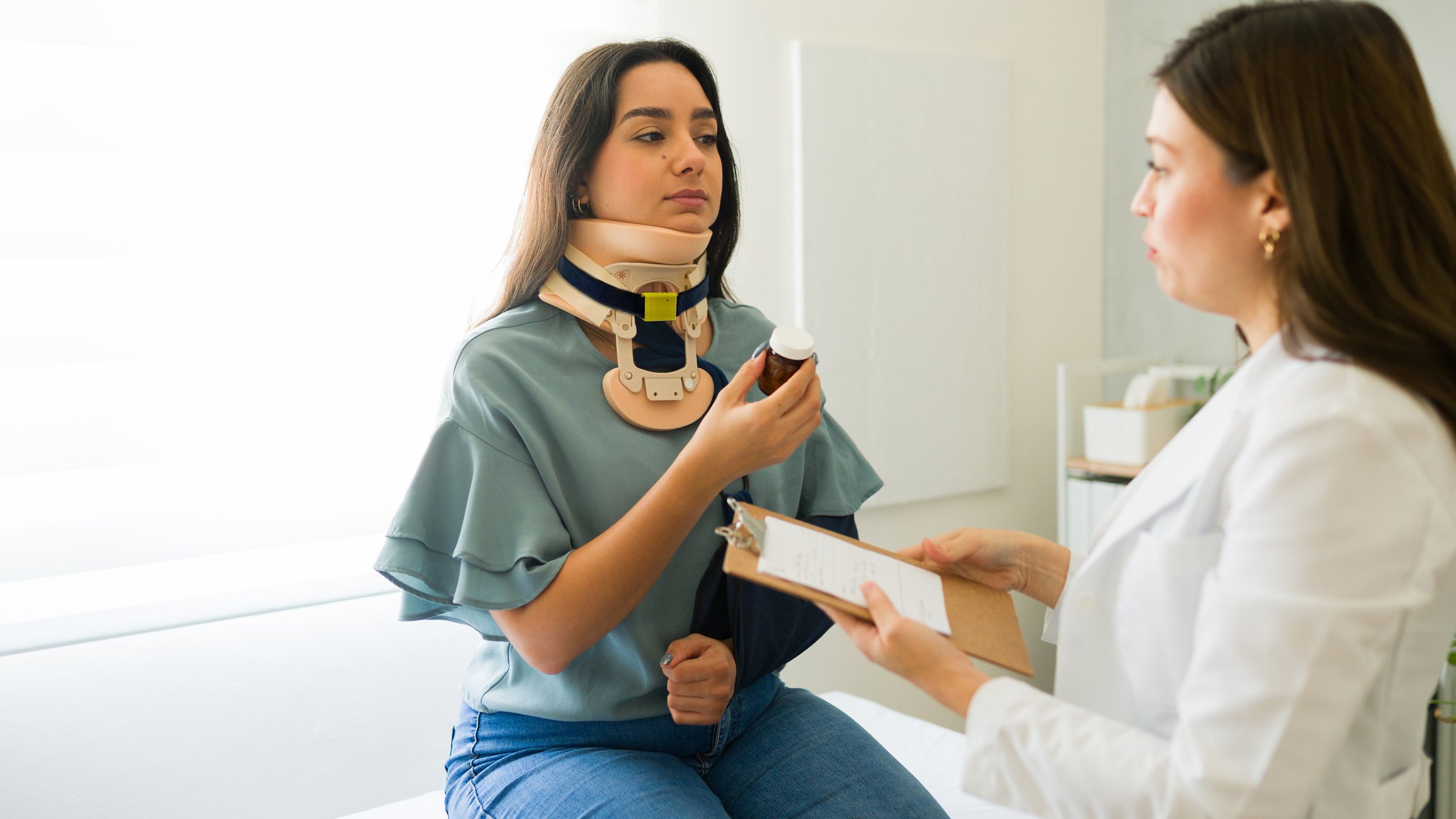
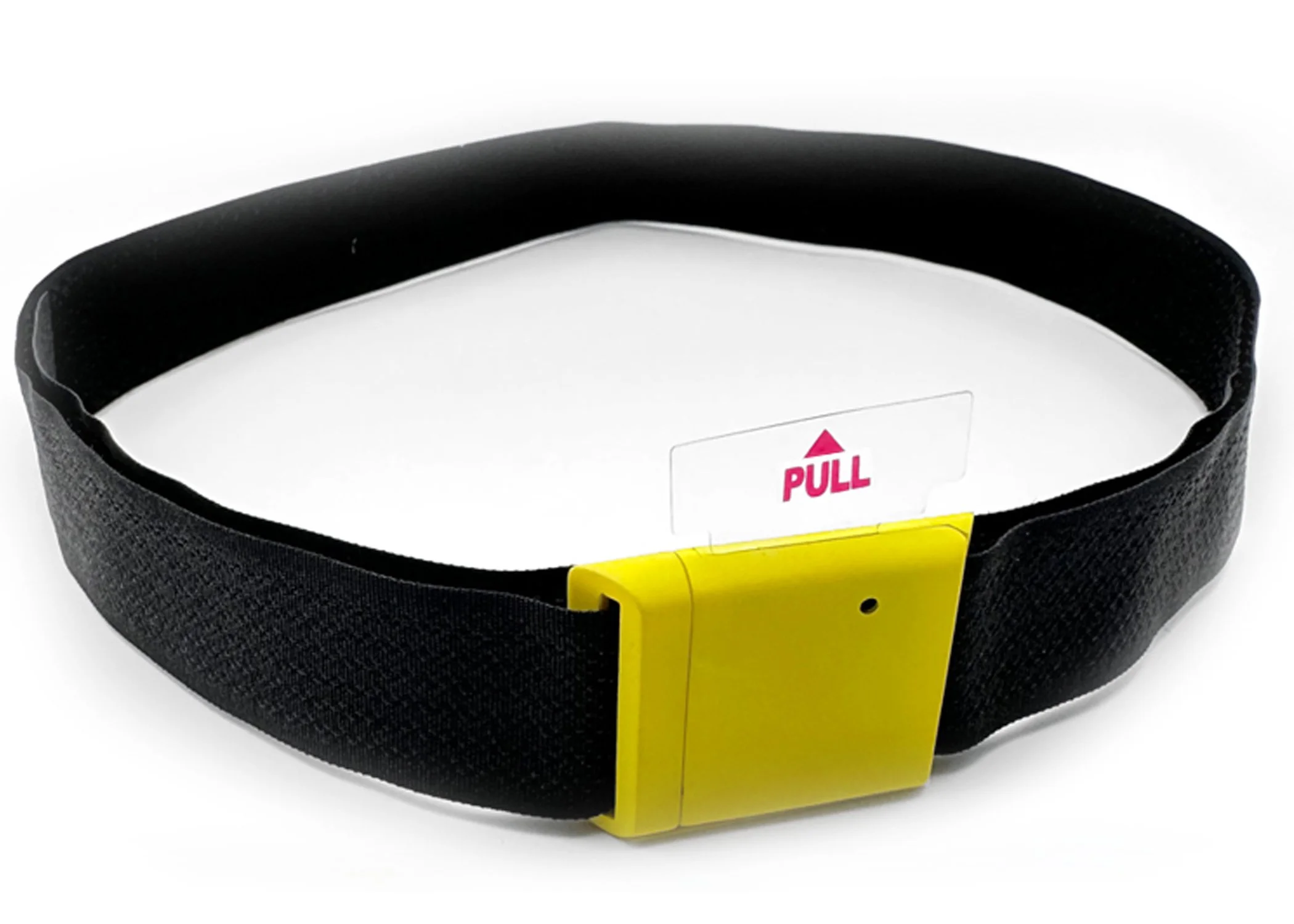
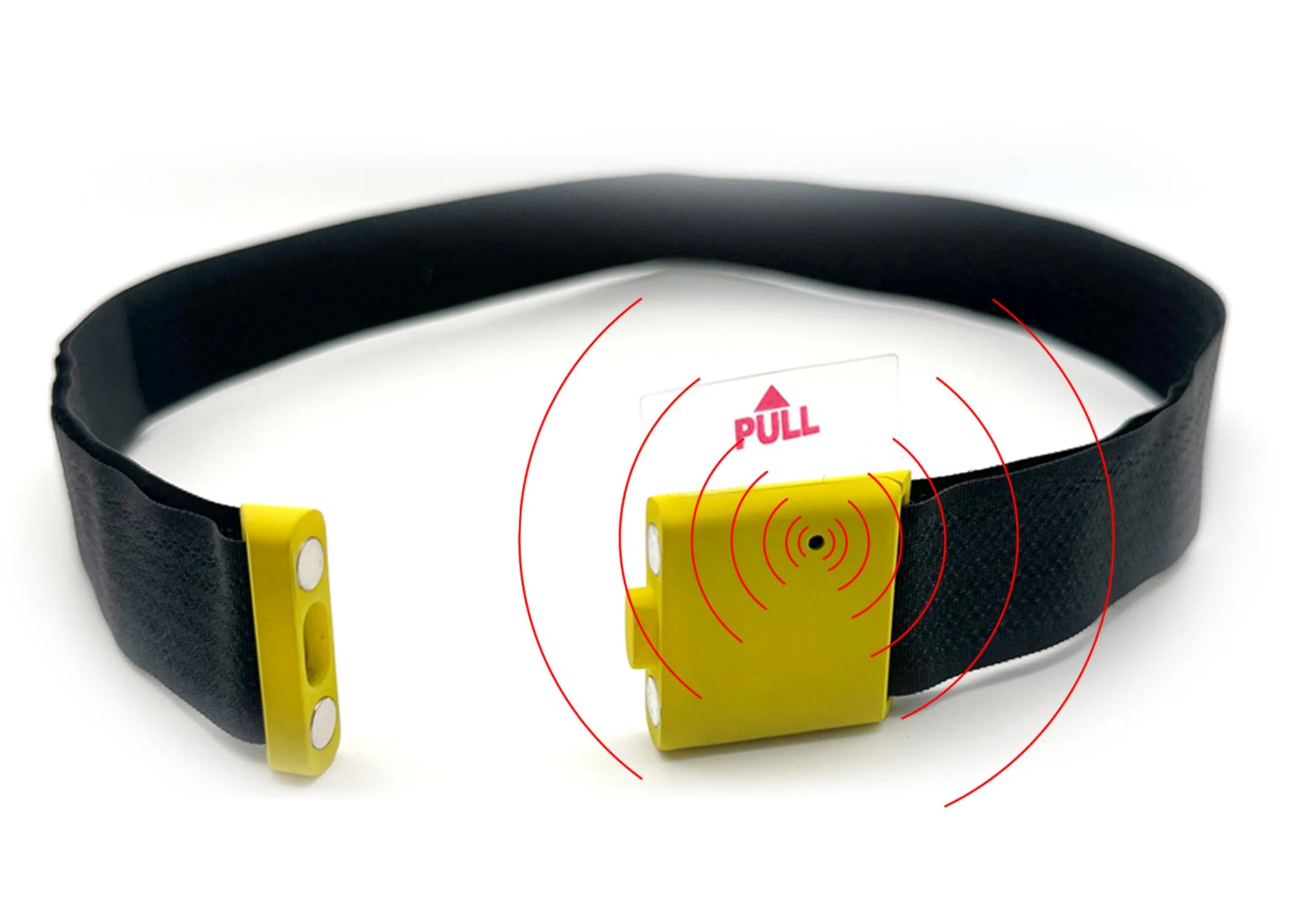
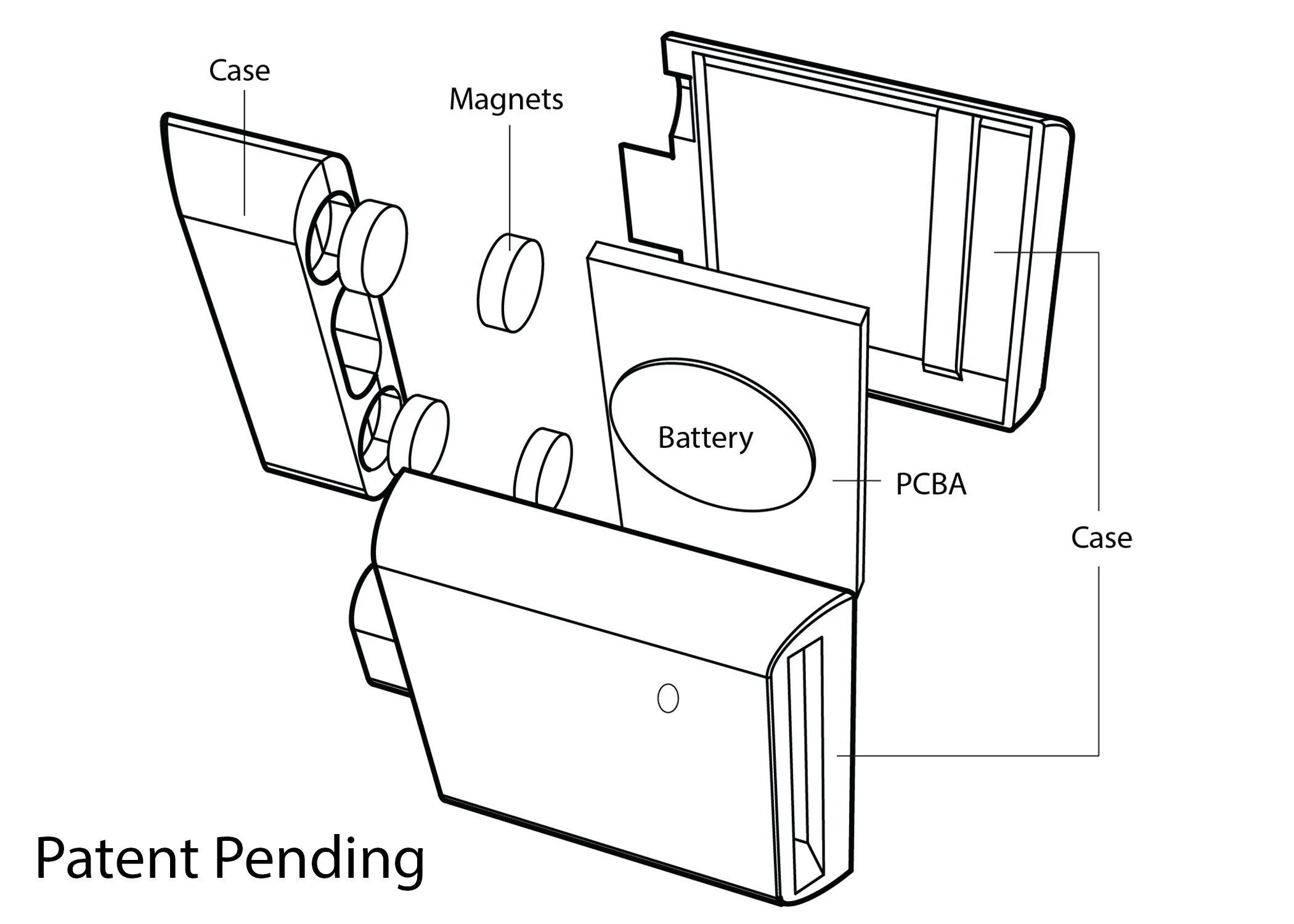
The B Collar™ system provides early detection of cervical collar tampering or removal attempts in obtunded, sedated, developmentally delayed or confused patients.
Immediately alerts staff or family to potential patient self-harm or immobilization failure.
Designed for use in hospitals, trauma rooms, ICU, emergency rooms as well as in skilled nursing facilities and the in-home setting.

Immediate detection, reduced risk of spinal injury and paralysis.
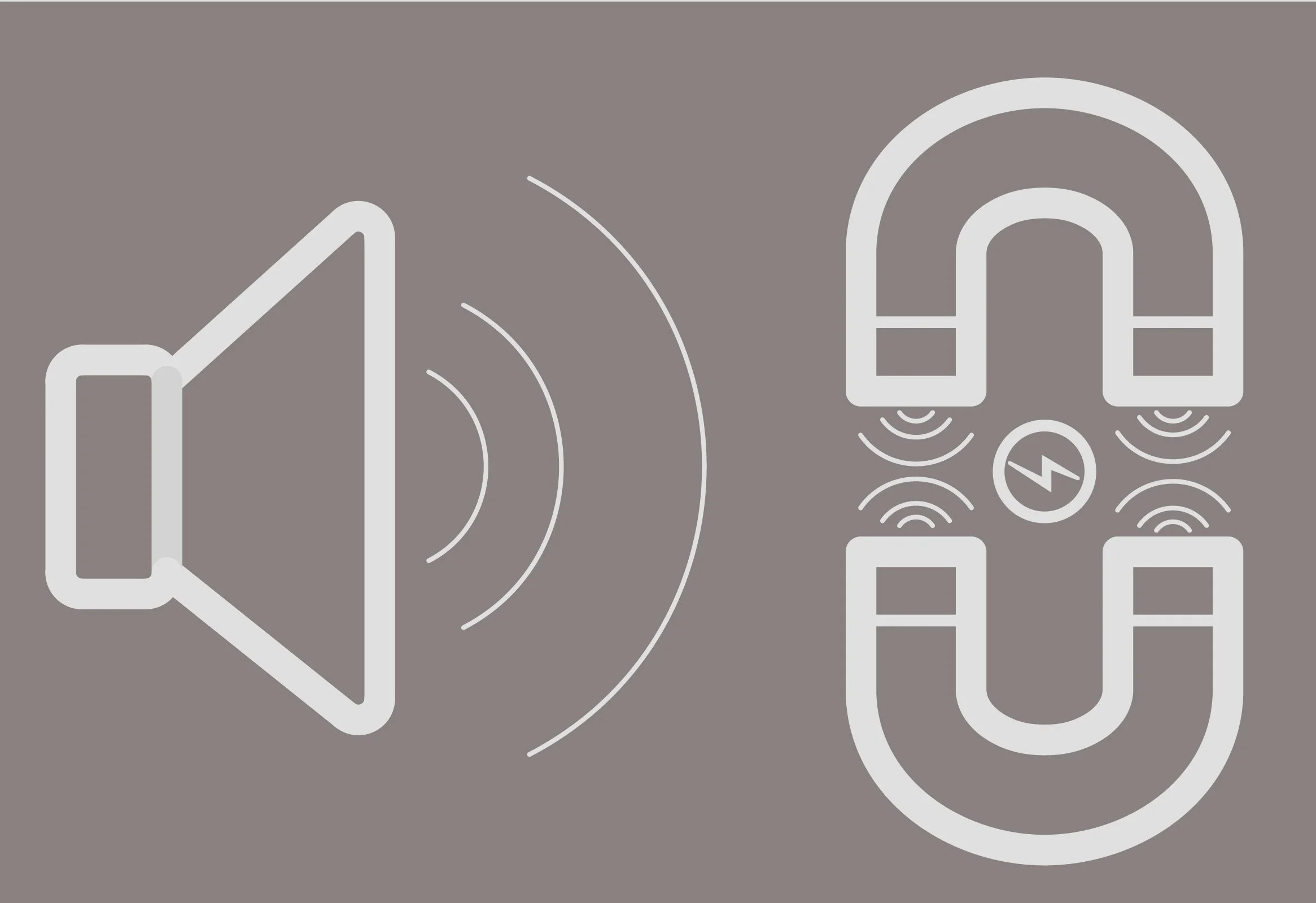
Audible alert with magnetic clasp, wireless sensor, fail-safe redundancy. Power - Lithium battery.
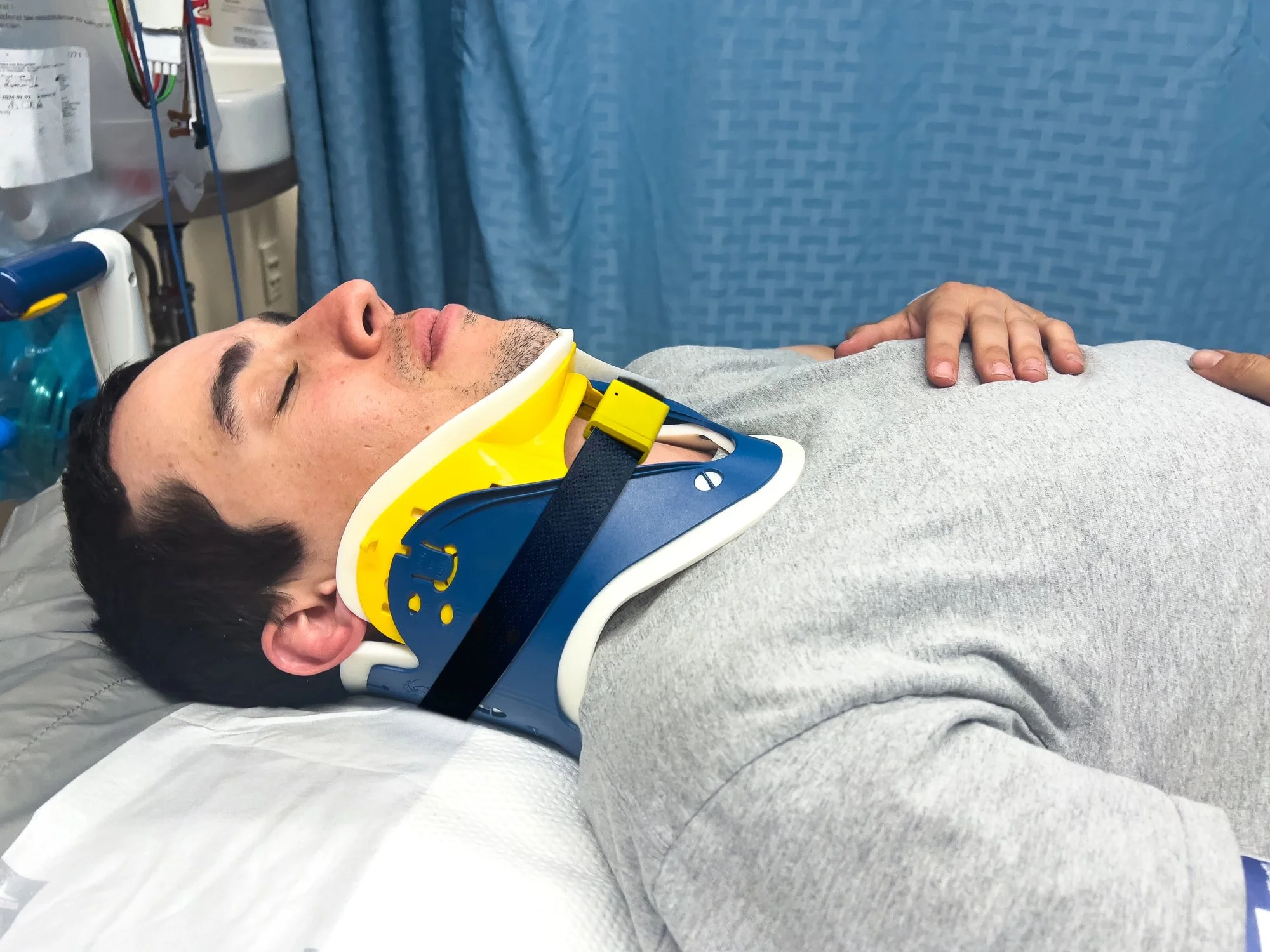
Reduces secondary injury risk and improves patient safety compliance.

B Collar™ supports patient safety protocols and may reduce liability related to collar removal incidents. It’s No-Skin contact provides an additional layer of safety while not increasing the risk of Hospital-Acquired Pressure Injuries (HAPIs) and its magnetic, break-away design helps ensure patient safety. Additionally the CerviGuard Collar Alarm System helps control the costs associated with in-room sitters which contributes to increased staff productivity while maintaining a hospital census concurrent with safe staffing numbers. It is not a restraint device and must be used in conjunction with standard care practices.